
My Ordinary World
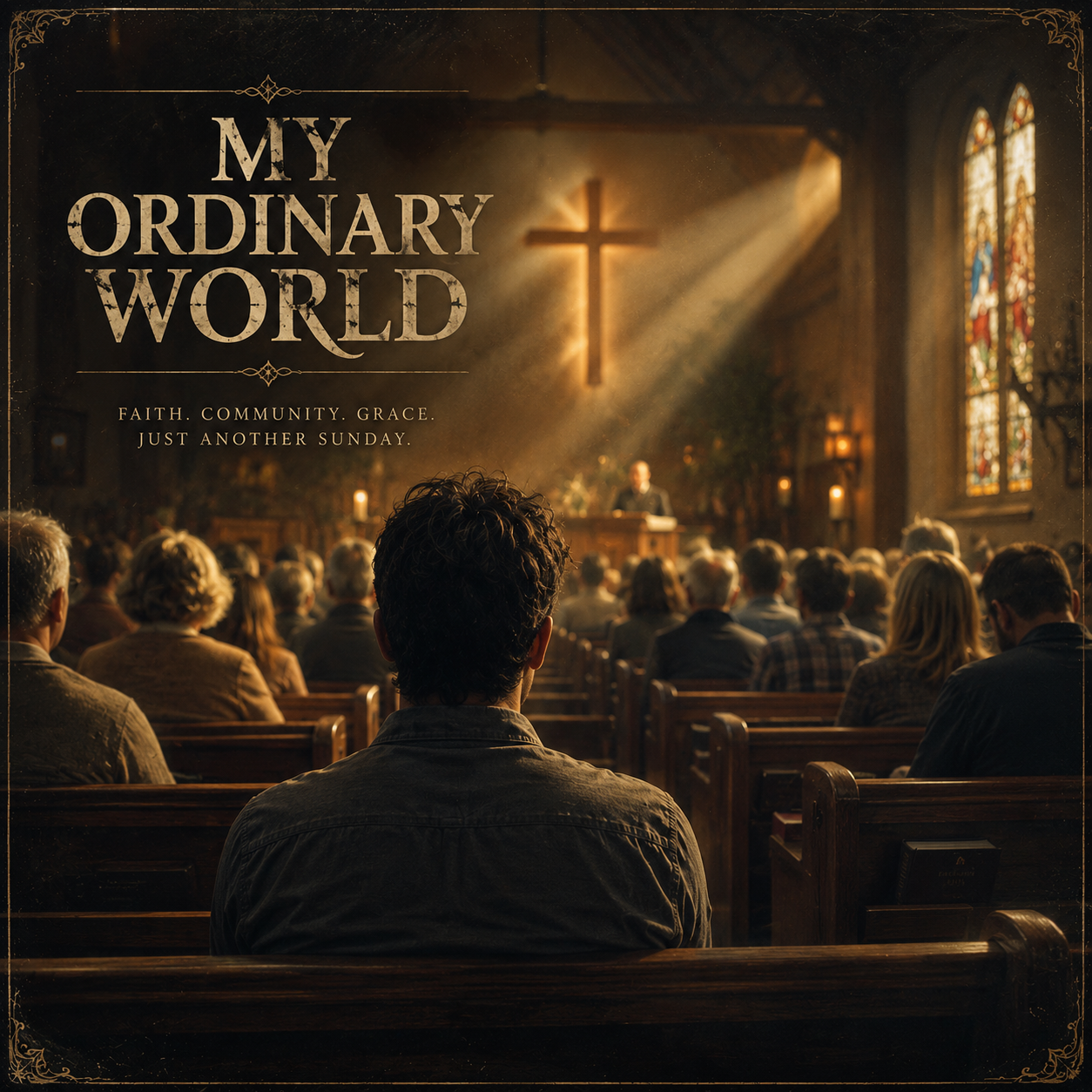
He had never really questioned it. Sunday mornings unfolded with the same rhythm they always had: the quiet rustle of pressed clothes, the smell of coffee brewing before dawn, the familiar drive to the small church at the center of town. Faith was woven into the fabric of his life so completely that it felt less like a decision and more like inheritance. Going to church was simply what his family did, what their neighbors did, what generations before them had done.
He knew the songs by heart and could recite prayers without thinking. He stood when everyone stood, bowed his head when others bowed theirs, and repeated the words that had been spoken thousands of times before. The rituals gave him comfort, a sense of belonging that stretched beyond himself. Within those walls he was connected to his parents, grandparents, and the wider community that had shaped him.
Yet his faith often existed untouched by reflection. He rarely stopped to ask why he believed or what the traditions truly meant. Religion was routine, steady and unquestioned, like the changing of seasons. It was less about conviction than identity — a shared practice that assured him he belonged somewhere, among people who moved through life in the same familiar rhythm.
Cracks in My Faith
For most of his life, faith had felt certain. The stories he heard as a child carried the weight of truth, reinforced by family, church, and tradition. Religion shaped his identity so completely that he rarely stopped to question it. Belief was simply part of who he was.
But slowly, doubts began to surface. A sermon would leave him uneasy instead of comforted. Certain teachings seemed inconsistent, especially when compared to the behavior of people within the church. He noticed how compassion was preached alongside judgment, and how difficult questions were often dismissed rather than explored.
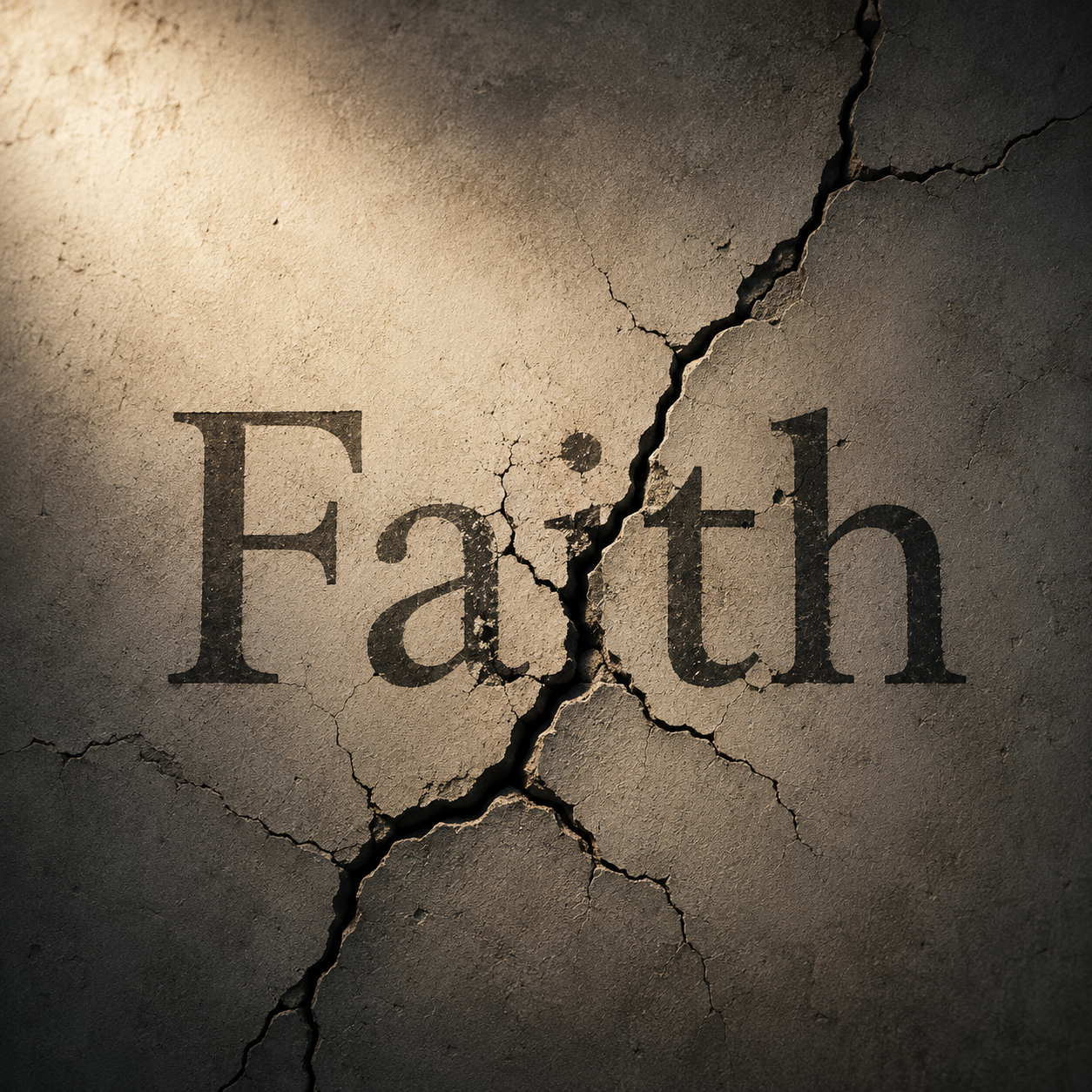
The cracks were small at first, but impossible to ignore once he saw them. Passages that once sounded clear now felt contradictory. Answers that had satisfied him as a child no longer felt complete. He found himself thinking about these questions long after church ended, replaying conversations in his mind and wondering why curiosity seemed so unwelcome.
Doubt crept in quietly, not as rebellion but as uncertainty. Part of him longed for the comfort of unquestioned belief, while another part felt compelled to search for honesty, even if it led somewhere unfamiliar. For the first time, his faith no longer felt automatic. It felt fragile, complicated, and deeply personal.